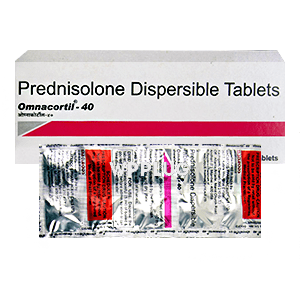

| Product dosage: 10mg | |||
|---|---|---|---|
| Package (num) | Per pill | Price | Buy |
| 10 | $3.87 | $38.70 (0%) | 🛒 Add to cart |
| 20 | $2.15 | $77.40 $43.00 (44%) | 🛒 Add to cart |
| 30 | $1.58 | $116.10 $47.30 (59%) | 🛒 Add to cart |
| 60 | $0.86 | $232.20 $51.60 (78%) | 🛒 Add to cart |
| 90 | $0.67 | $348.30 $60.20 (83%) | 🛒 Add to cart |
| 120 | $0.61 | $464.40 $73.10 (84%) | 🛒 Add to cart |
| 180 | $0.53 | $696.60 $94.60 (86%) | 🛒 Add to cart |
| 270 | $0.48 | $1044.90 $129.00 (88%) | 🛒 Add to cart |
| 360 | $0.41
Best per pill | $1393.20 $146.20 (90%) | 🛒 Add to cart |
| Product dosage: 20mg | |||
|---|---|---|---|
| Package (num) | Per pill | Price | Buy |
| 10 | $4.30 | $43.00 (0%) | 🛒 Add to cart |
| 20 | $2.36 | $86.00 $47.30 (45%) | 🛒 Add to cart |
| 30 | $1.72 | $129.00 $51.60 (60%) | 🛒 Add to cart |
| 60 | $0.93 | $258.00 $55.90 (78%) | 🛒 Add to cart |
| 90 | $0.86 | $387.00 $77.40 (80%) | 🛒 Add to cart |
| 120 | $0.72 | $516.00 $86.00 (83%) | 🛒 Add to cart |
| 180 | $0.62 | $774.00 $111.80 (86%) | 🛒 Add to cart |
| 270 | $0.51 | $1161.00 $137.60 (88%) | 🛒 Add to cart |
| 360 | $0.42
Best per pill | $1548.00 $150.50 (90%) | 🛒 Add to cart |
| Product dosage: 40mg | |||
|---|---|---|---|
| Package (num) | Per pill | Price | Buy |
| 10 | $5.16 | $51.60 (0%) | 🛒 Add to cart |
| 20 | $2.79 | $103.20 $55.90 (46%) | 🛒 Add to cart |
| 30 | $2.01 | $154.80 $60.20 (61%) | 🛒 Add to cart |
| 60 | $1.15 | $309.60 $68.80 (78%) | 🛒 Add to cart |
| 90 | $0.96 | $464.40 $86.00 (81%) | 🛒 Add to cart |
| 120 | $0.86 | $619.20 $103.20 (83%) | 🛒 Add to cart |
| 180 | $0.72 | $928.80 $129.00 (86%) | 🛒 Add to cart |
| 270 | $0.56 | $1393.20 $150.50 (89%) | 🛒 Add to cart |
| 360 | $0.50
Best per pill | $1857.60 $180.60 (90%) | 🛒 Add to cart |
Similar products
Prednisolone: Potent Anti-Inflammatory and Immunosuppressive Therapy
Prednisolone is a synthetic glucocorticoid medication that represents one of the most widely prescribed corticosteroids in clinical practice. As an intermediate-acting corticosteroid with approximately four times the potency of cortisol, it provides powerful anti-inflammatory and immunosuppressive effects across numerous medical conditions. This synthetic derivative of cortisol offers superior oral bioavailability compared to its parent compound, making it a cornerstone therapy in managing inflammatory, allergic, and autoimmune disorders. Its well-established efficacy profile and extensive clinical experience make it an essential therapeutic option in modern medicine.
Features
- Synthetic glucocorticoid with intermediate duration of action (18-36 hours)
- Approximately 4 times more potent than endogenous cortisol
- High oral bioavailability (80-90%)
- Rapid onset of action with effects noticeable within 1-2 hours
- Available in multiple formulations including tablets, oral solution, and ophthalmic preparations
- Can be administered as immediate-release or delayed-release formulations
- Metabolized primarily in the liver to inactive compounds
- Crosses placental barrier and excreted in breast milk
Benefits
- Rapidly controls inflammatory responses in acute and chronic conditions
- Effectively suppresses inappropriate immune system activation in autoimmune disorders
- Provides symptomatic relief in allergic reactions and asthma exacerbations
- Helps manage edema associated with brain tumors and increased intracranial pressure
- Supports treatment of certain hematologic malignancies and chemotherapy-induced nausea
- Enables disease modification in conditions like rheumatoid arthritis and inflammatory bowel disease
Common use
Prednisolone is extensively utilized across multiple medical specialties for its potent anti-inflammatory and immunosuppressive properties. In rheumatology, it serves as first-line therapy for conditions such as giant cell arteritis, polymyalgia rheumatica, and severe rheumatoid arthritis flares. Pulmonologists employ it for asthma exacerbations, COPD flare-ups, and sarcoidosis management. Gastroenterologists utilize it for inflammatory bowel disease flare control, particularly in ulcerative colitis and Crohn’s disease. Dermatologists prescribe it for severe contact dermatitis, pemphigus vulgaris, and other blistering disorders. Additionally, it finds application in oncology for managing chemotherapy-induced nausea, treating certain lymphomas and leukemias, and reducing cerebral edema associated with brain tumors. Nephrologists use it in minimal change disease and other glomerular disorders, while ophthalmologists employ ophthalmic preparations for uveitis and other inflammatory eye conditions.
Dosage and direction
Dosage must be individualized based on the specific condition being treated, disease severity, patient response, and concomitant medications. For anti-inflammatory or immunosuppressive effects in adults, initial dosages typically range from 5-60 mg daily, often divided into 2-4 doses. Higher doses may be required for severe conditions. Pediatric dosing is generally 0.14-2 mg/kg/day divided into 3-4 doses. For asthma exacerbations, typical regimens include 40-60 mg daily in divided doses for 3-10 days followed by tapering. In rheumatoid arthritis, maintenance doses of 5-7.5 mg daily are common. For adrenal insufficiency, physiological replacement doses are approximately 4-5 mg/m²/day. Administration should occur with food or milk to minimize gastrointestinal irritation. Morning dosing mimics the body’s natural cortisol rhythm and may reduce HPA axis suppression. Dosage reduction should be gradual when discontinuing therapy after more than two weeks of treatment to avoid adrenal insufficiency.
Precautions
Patients requiring prednisolone therapy demand careful monitoring and specific precautions. Regular assessment of blood pressure, weight, electrolyte balance, and blood glucose is essential, particularly in diabetic patients. Ophthalmologic examinations should be performed periodically for patients on long-term therapy due to increased risk of cataracts and glaucoma. Bone density monitoring is recommended for patients receiving prolonged treatment. Patients should be monitored for signs of infection as prednisolone may mask symptoms and enhance susceptibility. Special caution is required in patients with heart failure, hypertension, diabetes mellitus, osteoporosis, peptic ulcer disease, and seizure disorders. Vaccination with live vaccines should be avoided during therapy. Emotional instability or psychotic tendencies may be exacerbated by corticosteroid use. Growth suppression may occur in children, requiring careful monitoring of growth parameters.
Contraindications
Prednisolone is contraindicated in patients with known hypersensitivity to prednisolone or any component of the formulation. Systemic fungal infections represent an absolute contraindication unless the infection is being treated with appropriate antifungal therapy. Live virus vaccinations should not be administered to patients receiving immunosuppressive doses of corticosteroids. Additional contraindications include active, latent, or questionably healed tuberculosis; ocular herpes simplex; and certain other specific infections where the risk of corticosteroid use outweighs potential benefits. Relative contraindications include congestive heart failure, uncontrolled hypertension, diabetes mellitus, glaucoma, osteoporosis, peptic ulcer disease, renal insufficiency, and pregnancy, particularly during the first trimester.
Possible side effect
Prednisolone administration may produce numerous side effects that are often dose and duration dependent. Endocrine effects include hypothalamic-pituitary-adrenal (HPA) axis suppression, Cushingoid state, growth suppression in children, and menstrual irregularities. Cardiovascular effects may encompass hypertension, congestive heart failure in susceptible patients, and fluid retention. Musculoskeletal complications include osteoporosis, vertebral compression fractures, aseptic necrosis of femoral and humeral heads, and steroid myopathy. Ophthalmologic side effects include posterior subcapsular cataracts, increased intraocular pressure, and glaucoma. Gastrointestinal effects include peptic ulcer with possible perforation and hemorrhage, pancreatitis, and esophageal ulceration. Dermatological manifestations include impaired wound healing, thin fragile skin, and facial erythema. Neurological effects may include convulsions, increased intracranial pressure with papilledema, vertigo, and headache. Psychiatric disturbances range from euphoria and insomnia to mood swings, depression, and psychotic manifestations. Metabolic effects include hyperglycemia, increased appetite and weight gain, and negative nitrogen balance.
Drug interaction
Prednisolone exhibits numerous clinically significant drug interactions that require careful management. Concurrent use with CYP3A4 inducers such as phenobarbital, phenytoin, and rifampin may enhance prednisolone metabolism, reducing its therapeutic effect. Conversely, CYP3A4 inhibitors like ketoconazole and erythromycin may increase prednisolone levels. Concurrent administration with diuretics may enhance electrolyte depletion, particularly hypokalemia. Nonsteroidal anti-inflammatory drugs (NSAIDs) may increase the risk of gastrointestinal ulceration. Anticoagulant effects may be altered, requiring more frequent monitoring of coagulation parameters. Live vaccines may have diminished effectiveness and increased risk of complications. Amphotericin B and potassium-depleting diuretics may exacerbate hypokalemia. Insulin and oral hypoglycemic requirements may change in diabetic patients. The effectiveness of anticholinesterase agents in myasthenia gravis may be diminished.
Missed dose
If a dose is missed, it should be taken as soon as remembered unless it is almost time for the next scheduled dose. In that case, the missed dose should be skipped and the regular dosing schedule resumed. Patients should never double the dose to make up for a missed one. For patients on alternate-day therapy, if a dose is missed, the schedule should be adjusted to maintain the alternate-day pattern. Healthcare providers should provide specific instructions based on the treatment regimen and underlying condition. Patients on long-term therapy should be advised about the importance of consistent dosing to maintain stable drug levels and avoid withdrawal symptoms.
Overdose
Acute overdosage with prednisolone is generally not life-threatening, but may exacerbate dose-related adverse effects. Management is primarily supportive and symptomatic. Gastric lavage or activated charcoal may be considered if ingestion occurred within one hour. Electrolyte status should be monitored, particularly for hypokalemia, and appropriate replacement instituted if necessary. Hypertension and hyperglycemia should be managed conventionally. There is no specific antidote for corticosteroid overdose. In cases of chronic overdose, gradual dose reduction is necessary to avoid adrenal insufficiency. Patients should be monitored for signs of HPA axis suppression, which may persist for months after discontinuation of long-term therapy.
Storage
Prednisolone tablets should be stored at controlled room temperature between 20-25°C (68-77°F) in a tightly closed container, protected from light and moisture. The oral solution should be stored according to manufacturer instructions, typically at room temperature and protected from freezing. All medications should be kept out of reach of children and pets. Unused medication should be properly disposed of according to local regulations, not flushed down toilets or poured into drains. Patients should be advised to check expiration dates and not use medication beyond that date.
Disclaimer
This information is provided for educational purposes only and does not constitute medical advice. The content is not intended to be a substitute for professional medical advice, diagnosis, or treatment. Always seek the advice of your physician or other qualified health provider with any questions you may have regarding a medical condition. Never disregard professional medical advice or delay in seeking it because of something you have read in this document. The manufacturer’s prescribing information should be consulted for complete details regarding administration, precautions, and warnings.
Reviews
Clinical experience with prednisolone spans decades, establishing it as a highly effective anti-inflammatory and immunosuppressive agent. Physicians consistently report excellent response rates in appropriate clinical scenarios, particularly in acute inflammatory conditions and autoimmune disorders. Patients often experience rapid symptomatic improvement, though many express concerns about side effects associated with long-term use. The medication’s predictable pharmacokinetics and well-characterized side effect profile make it a preferred choice among specialists. However, most experts emphasize the importance of using the lowest effective dose for the shortest possible duration to minimize adverse effects. Overall, prednisolone remains an indispensable tool in the medical armamentarium despite its potential for significant side effects when used inappropriately or without adequate monitoring.