Keppra: Effective Seizure Control with Proven Tolerability
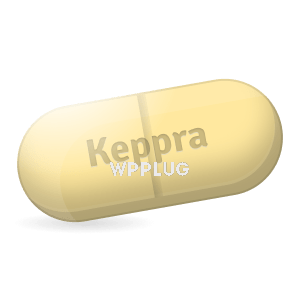
| Product dosage: 250mg | |||
|---|---|---|---|
| Package (num) | Per pill | Price | Buy |
| 30 | $2.04 | $61.06 (0%) | 🛒 Add to cart |
| 60 | $1.72 | $122.12 $103.20 (15%) | 🛒 Add to cart |
| 90 | $1.61 | $183.18 $145.34 (21%) | 🛒 Add to cart |
| 120 | $1.57 | $244.24 $188.34 (23%) | 🛒 Add to cart |
| 180 | $1.51 | $366.36 $272.62 (26%) | 🛒 Add to cart |
| 270 | $1.48
Best per pill | $549.54 $399.90 (27%) | 🛒 Add to cart |
| Product dosage: 500mg | |||
|---|---|---|---|
| Package (num) | Per pill | Price | Buy |
| 30 | $3.81 | $114.38 (0%) | 🛒 Add to cart |
| 60 | $2.92 | $228.76 $175.44 (23%) | 🛒 Add to cart |
| 90 | $2.62 | $343.14 $235.64 (31%) | 🛒 Add to cart |
| 120 | $2.47 | $457.52 $296.70 (35%) | 🛒 Add to cart |
| 180 | $2.32
Best per pill | $686.28 $417.96 (39%) | 🛒 Add to cart |
Synonyms | |||
Keppra (levetiracetam) is an antiepileptic drug (AED) indicated as adjunctive therapy in the treatment of partial onset seizures, myoclonic seizures, and primary generalized tonic-clonic seizures in adults and children with epilepsy. Its unique mechanism of action, binding to the synaptic vesicle protein 2A (SV2A), differentiates it from other anticonvulsants and contributes to its favorable efficacy and safety profile. This profile makes it a cornerstone medication in comprehensive epilepsy management protocols, offering neurologists a reliable tool for achieving and maintaining seizure freedom.
Features
- Active Pharmaceutical Ingredient: Levetiracetam.
- Available Formulations: Film-coated tablets (250 mg, 500 mg, 750 mg, 1000 mg), oral solution (100 mg/mL), and intravenous injection (100 mg/mL).
- Mechanism of Action: Binds to synaptic vesicle glycoprotein 2A (SV2A) in the brain, believed to modulate synaptic neurotransmitter release and inhibit neuronal hypersynchronization.
- Pharmacokinetics: Rapid and almost complete absorption after oral administration; bioavailability is nearly 100% and is not food-dependent.
- Metabolism: Not extensively hepatically metabolized; approximately 66% of the dose is excreted unchanged in urine via renal excretion.
- Half-life: Approximately 6–8 hours in adults, necessitating twice-daily dosing for stable plasma concentrations.
Benefits
- Demonstrates high efficacy in reducing the frequency of partial-onset seizures with and without secondary generalization.
- Provides effective control for myoclonic seizures in patients with Juvenile Myoclonic Epilepsy and primary generalized tonic-clonic seizures.
- Offers a favorable safety and tolerability profile with a low potential for pharmacokinetic drug interactions.
- Features linear pharmacokinetics, allowing for predictable dose-response relationships and straightforward dosing regimens.
- Available in multiple formulations (tablet, liquid, IV) to support patient adherence across different clinical scenarios, including during nil-by-mouth periods.
- Rapid titration is possible due to its generally good tolerability, allowing for quicker achievement of therapeutic doses.
Common use
Keppra is primarily used as adjunctive therapy for the management of epilepsy. Its approved indications include the treatment of partial onset seizures with or without secondary generalization in adults and children from 1 month of age. It is also indicated as adjunctive therapy for myoclonic seizures in adults and adolescents 12 years of age and older with Juvenile Myoclonic Epilepsy, and for primary generalized tonic-clonic seizures in adults and children from 6 years of age with Idiopathic Generalized Epilepsy. Its use is established in both newly diagnosed and treatment-resistant epilepsy populations.
Dosage and direction
Dosing is individualized based on clinical response and tolerability for each indication and age group. For adults and adolescents (16 years and older) with partial seizures, the initial therapeutic dose is 500 mg twice daily. This can be increased by 500 mg twice daily every two weeks to a maximum recommended daily dose of 3000 mg. For IV administration, it is recommended for patients when oral administration is temporarily not feasible; the IV dose is equivalent to the total daily oral dose and should be administered as a 15-minute infusion. Dosing in pediatric populations and for other seizure types follows specific guidelines based on weight and must be carefully calculated. The medication can be taken with or without food.
Precautions
Patients should be monitored for the emergence or worsening of depression, suicidal thoughts or behavior, and/or any unusual changes in mood or behavior. Neuropsychiatric adverse reactions, including psychosis, hallucinations, and aggression, have been reported. As with other AEDs, Keppra may cause dizziness and somnolence, which could increase the risk of accidental injury. Patients should be cautioned about operating machinery or driving until they are familiar with the drug’s effects. Dosage adjustment is recommended in patients with renal impairment. Abrupt withdrawal of antiepileptic drugs may precipitate status epilepticus; therefore, withdrawal should be gradual.
Contraindications
Keppra is contraindicated in patients with a known hypersensitivity to levetiracetam, other pyrrolidine derivatives, or any of the inactive ingredients listed in the formulation. There are no other known absolute contraindications.
Possible side effect
The most frequently reported adverse reactions are somnolence, asthenia, dizziness, and infection. Other common side effects (>1/100) include:
- Behavioral effects: Agitation, aggression, anxiety, apathy, emotional lability, anger, depression, nervousness, irritability.
- Neurological effects: Ataxia, balance disorder, headache, tremor, vertigo, convulsion, memory impairment, paresthesia.
- General disorders: Fatigue.
- Gastrointestinal effects: Anorexia, diarrhea, nausea, vomiting, abdominal pain.
- Other: Pharyngitis, rhinitis.
Serious but rare side effects include severe psychopathological reactions, pancytopenia, Stevens-Johnson syndrome, and toxic epidermal necrolysis.
Drug interaction
Formal interaction studies show no clinically significant interactions with other AEDs such as phenytoin, carbamazepine, valproic acid, phenobarbital, lamotrigine, gabapentin, or oral contraceptives. It also shows no interaction with digoxin or warfarin. Due to its primarily renal excretion, drugs that affect renal function could alter the clearance of levetiracetam. It is not a significant inducer or inhibitor of cytochrome P450 isoenzymes.
Missed dose
The missed dose should be taken as soon as it is remembered, unless it is almost time for the next scheduled dose. In that case, the missed dose should be skipped, and the regular dosing schedule resumed. Patients should not take a double dose to make up for a missed one.
Overdose
Symptoms observed in cases of overdose include somnolence, agitation, aggression, depressed level of consciousness, respiratory depression, and coma. There is no specific antidote for levetiracetam overdose. Treatment should be symptomatic and supportive, which may include gastric lavage. Standard hemodialysis procedures result in significant clearance of levetiracetam (approximately 50% in 4 hours) and should be considered in cases of severe overdose.
Storage
Keppra tablets and oral solution should be stored at room temperature (15°–30°C or 59°–86°F). The oral solution should be stored in an upright position and used within 3 months of first opening the bottle. The intravenous solution should be stored at room temperature and diluted in 100 mL of a compatible diluent (0.9% NaCl, Lactated Ringer’s, or 5% Dextrose) before infusion. Keep all medications out of the reach of children.
Disclaimer
This information is for educational purposes and is not a substitute for professional medical advice, diagnosis, or treatment. Always seek the advice of your physician or other qualified health provider with any questions you may have regarding a medical condition or before starting any new treatment. Never disregard professional medical advice or delay in seeking it because of something you have read here.
Reviews
“Keppra has been a foundational agent in my practice for over a decade. Its predictable pharmacokinetics and lack of significant drug interactions make it an excellent choice for polypharmacy regimens, especially in our elderly population with comorbidities. The IV formulation is invaluable for perioperative management.” – Dr. Elena Vance, Neurologist, Epilepsy Center.
“As a clinician treating pediatric epilepsy, the availability of a weight-based oral solution is critical. We have observed significant reductions in seizure frequency with a generally manageable side effect profile. Vigilance for behavioral changes is paramount, but overall, it remains a first-line option for many of our patients.” – Dr. Ben Carter, Pediatric Neurologist.
“For me as a patient, the transition to Keppra was life-changing after failing two other medications due to side effects. The twice-daily dosing is easy to remember. I experienced some fatigue initially, but it subsided. I have been seizure-free for 18 months and finally regained my driver’s license.” – Patient Testimonial, anonymized.